office@letsgokids.co.nz

Quake City offers an insightful look into the seismic events that dramatically reshaped Christchurch and the wider Canterbury region. Situated at 299 Durham Street North, this interactive exhibition brings the earthquakes of 2010 and 2011 to life, allowing visitors to understand both the science behind these events and the human stories that followed.
How Big Was the Christchurch Earthquake
The Christchurch earthquakes of 2010 and 2011 were significant seismic events that caused widespread damage and loss. The first major quake struck in September 2010, measuring 7.1 on the Richter scale. Although no direct fatalities occurred, it caused substantial damage to buildings and infrastructure throughout the region. The following year, in February 2011, a 6.3-magnitude earthquake struck closer to the city centre. Despite being slightly smaller in magnitude, its shallow depth and proximity resulted in severe destruction and 185 lives lost. The events highlighted the unpredictable and devastating nature of earthquakes, emphasising the importance of preparation and understanding seismic risks. Quake City contextualises these events through detailed exhibits, personal stories, and scientific explanations, helping visitors comprehend both the scale and impact of the earthquakes.
Quake City Christchurch
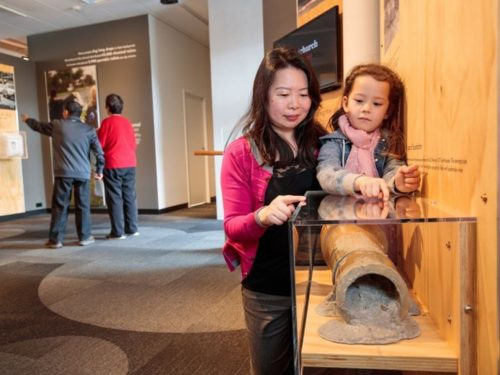
Quake City is a tribute to the resilience and adaptability of the people of Christchurch. Located in the heart of the city, the exhibition shares personal accounts from locals who experienced the earthquakes firsthand, as well as the efforts of those who came to assist in the aftermath. Visitors can explore a variety of displays, including photographs, multimedia presentations, and taonga rescued from the rubble. These exhibits provide a tangible connection to the events and help illustrate the broader impact of earthquakes on urban life.
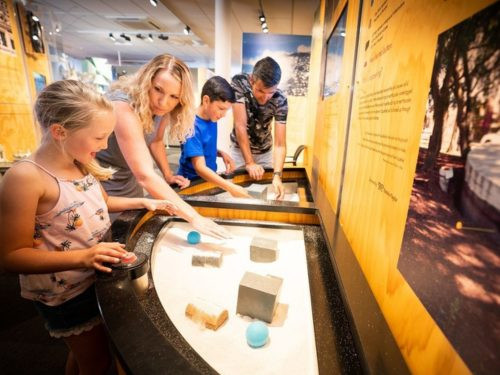
The museum also offers a range of interactive experiences. For example, the liquefaction sandpit allows visitors to see how the ground in parts of Canterbury shifted and became unstable during the quakes. By pumping air into a bed of sand, the simulator demonstrates the liquefaction process in a hands-on and educational way. This practical model helps visitors understand the challenges faced by engineers, emergency services, and residents during the seismic events.
Earthquake Museum Christchurch
As an earthquake museum in Christchurch, Quake City caters to a wide range of audiences.
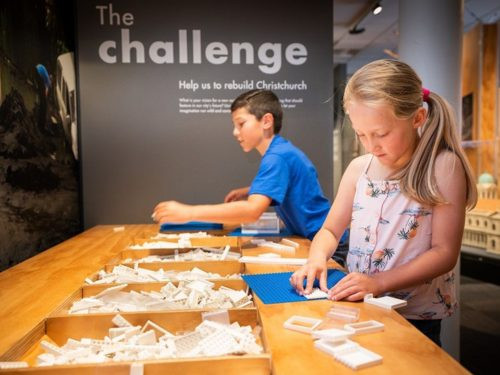
Families, school groups, and tourists can all find engaging activities designed to educate and entertain. Children can participate in the LEGO challenge, where they design and build their vision of a new Christchurch using LEGO pieces. An activity trail encourages visitors to explore the exhibits while solving puzzles, enhancing their understanding of the earthquakes’ effects on the city.
Group visits are also supported, with tailored educational programs available for all age levels—from kindergartens to senior citizens. Booking in advance is recommended, particularly for school groups, to ensure a structured and informative visit. Additionally, Quake City encourages responsible photography and filming, allowing visitors to capture their experience while respecting cultural and fragile items on display.
Quake City also offers combined ticket deals, such as a twin pass with Ravenscar House Museum. This allows visitors to gain insights into both the city’s seismic history and a creative response in the form of art and architecture.