
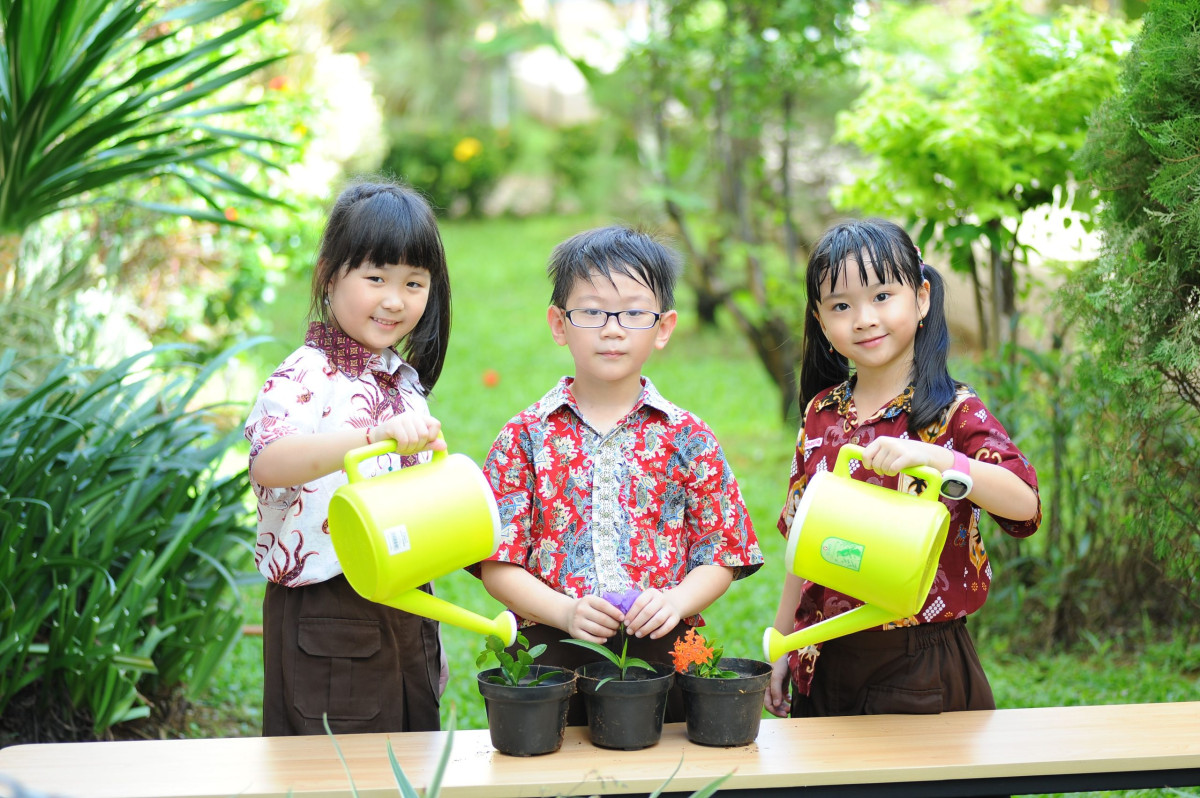
Spring has well and truly sprung, and there's no better classroom for curious little minds than your own backyard. As the soil warms and the days grow longer, the garden comes alive — and it's the perfect time to hand the children a trowel, roll up those sleeves, and grow something wonderful together.
Gardening with kids is about so much more than plants. It's mucky hands, wide-eyed wonder, and the quiet pride of watching something you planted push its way up towards the sun. Best of all, you don't need a big section or a green thumb to get started. Here's how to turn your backyard into a springtime adventure.
When it comes to gardening with children, quick results keep the excitement alive. Little ones aren't known for their patience, so choose plants that grow fast and reward their efforts sooner rather than later.
Some brilliant, beginner-friendly choices for a Kiwi spring include:
- Radishes, which can be ready in just a few weeks
- Sunflowers, for a bit of tall, cheerful magic
- Lettuce and rocket for speedy salad leaves
- Peas and beans that little fingers love to pick
- Strawberries, always a family favourite
Pop a few seeds in a pot on the windowsill or a sunny corner of the garden, and let the children take charge of watering and watching. There's real joy in checking on their patch each morning to see what's changed overnight.
The secret to keeping children keen in the garden is to make the work feel like play. Digging becomes a treasure hunt for worms. Watering turns into an important daily mission. Even weeding can be a race to see who can fill their bucket first.
Give each child their own little patch or pot to look after — a small square that's entirely theirs. When they feel ownership over their space, they're far more likely to stay curious and care for it. Add a hand-painted plant label or a lolly-stick sign and the pride only grows.
A spring garden is a busy, buzzing place, and there's so much for children to discover beyond the plants themselves. Encourage them to become backyard nature detectives, on the lookout for the little creatures that call the garden home.
You might set up a simple worm farm to see nature's recyclers at work, plant a few bright flowers to invite the bees and butterflies, or hang a bird feeder to bring the tūī and pīwakawaka in for a closer look. Talking about how each creature helps the garden grow is a gentle, hands-on way to teach children

"As we like to say ....
Get off the couch and get out there"
 © 2023 letsgokids
Get latest updates, news & offers


 office@letsgokids.co.nz